How to Dress Kids for Cold Weather: A Simple Winter Layering Guide
Getting kids dressed for winter doesn't have to be complicated. Discover easy layering tips, comfortable outfit ideas, and practical ways to keep little ones ready for chilly days and everyday adventures.
When temperatures drop, getting kids dressed can feel like a daily balancing act. You want them to stay warm on the way to school, feel comfortable while playing outside, and move freely throughout the day.
The good news? Winter dressing doesn't have to be complicated.
With a few versatile layers and some thoughtful clothing choices, you can put together winter outfits that work for chilly mornings, weekend outings, and everyday play.
Here's a simple guide to keeping your little ones cozy and comfortable as the weather gets colder.
Start with Layers, Not Just a Heavy Coat
One of the easiest ways to dress kids for changing winter temperatures is to think in layers.
Instead of relying on one bulky jacket, try combining a few comfortable pieces that can be added or removed throughout the day.
A comfortable first layer that sits closest to the skin and allows easy movement.
Sweaters, fleece, or other cozy pieces that help provide warmth.
Jackets or coats chosen for cold air, wind, rain, or snow.
Base Layer: Start with Everyday Comfort
The first layer sits closest to your child's skin. Choose a comfortable, well-fitting top that allows easy movement.
For cold outdoor activities, a moisture-wicking base layer can help manage perspiration. For milder days and indoor activities, a comfortable long-sleeve shirt may be all your child needs underneath a sweater or jacket.
Middle Layer: Add Warmth
The middle layer helps keep your child warm. Depending on the weather, this could be a sweater, fleece, or another cozy layer.
Look for pieces that feel comfortable over a shirt without restricting movement.
Outer Layer: Dress for the Weather
The outer layer helps protect your child from cold air, wind, or precipitation.
A lightweight jacket may work well on a cool, dry afternoon, while colder conditions may call for an insulated coat. Wet or snowy weather may require additional water-resistant or waterproof protection.
The key is to choose layers based on the actual weather and your child's activities.
Choose Winter Jackets That Fit Their Day
Not every winter day calls for the same kind of outerwear.
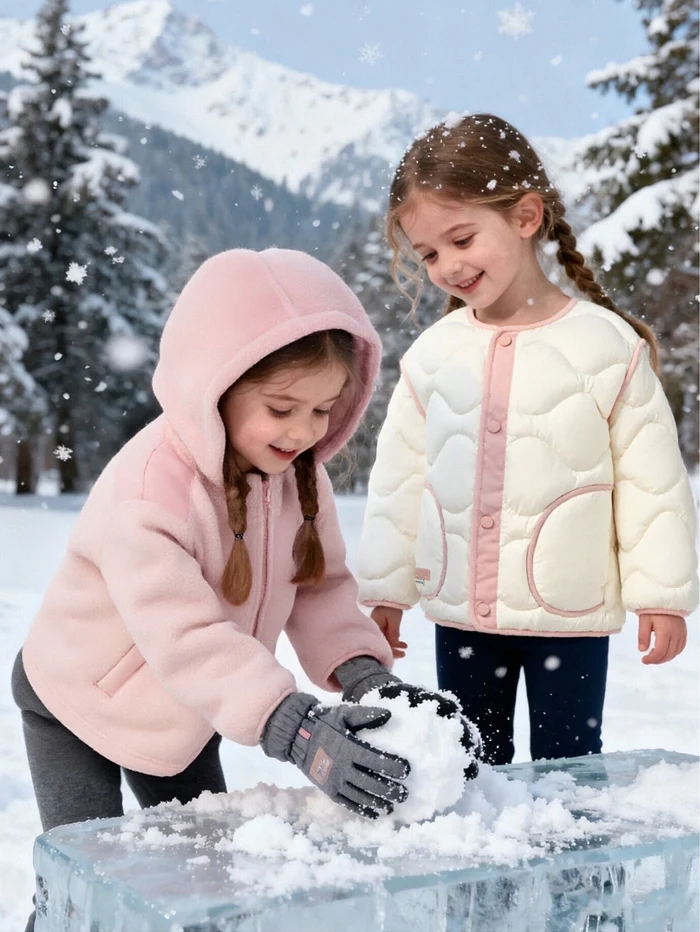
A child walking to school on a cool morning may need something different from a child spending an afternoon playing in the snow.
Here are a few common options to consider:
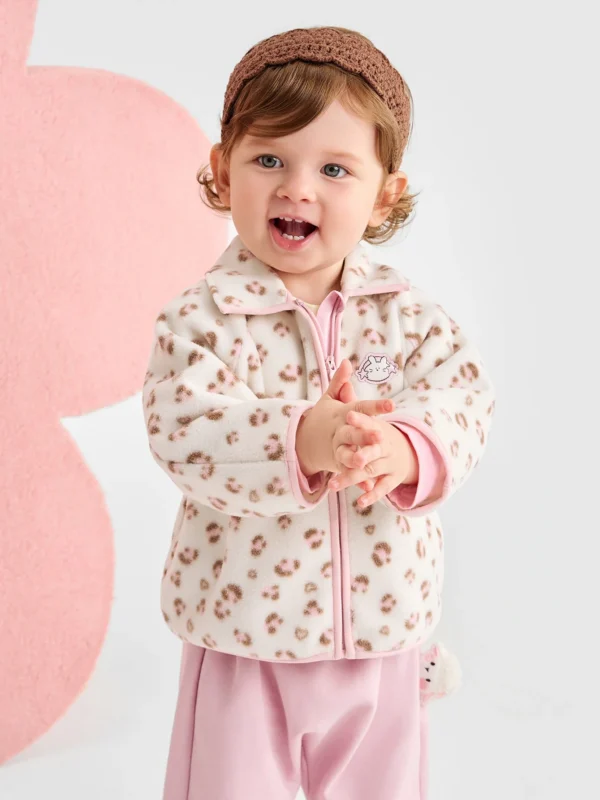
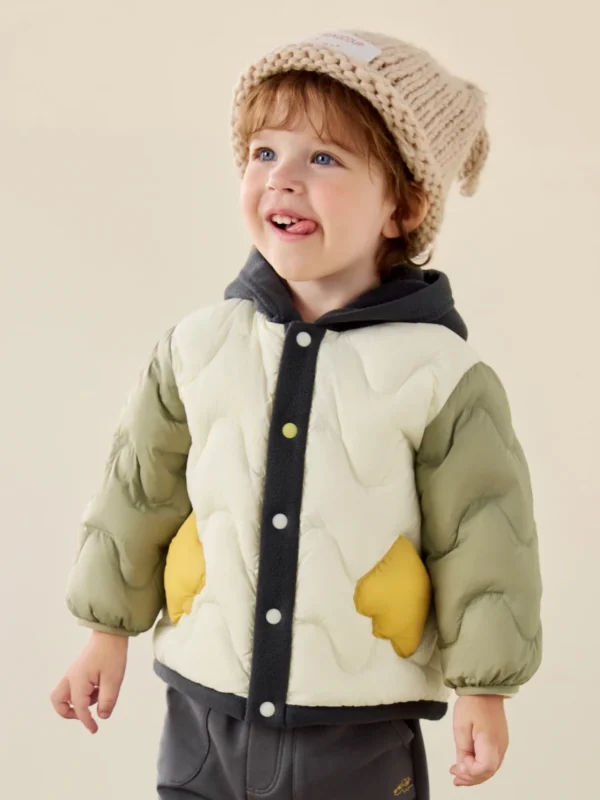
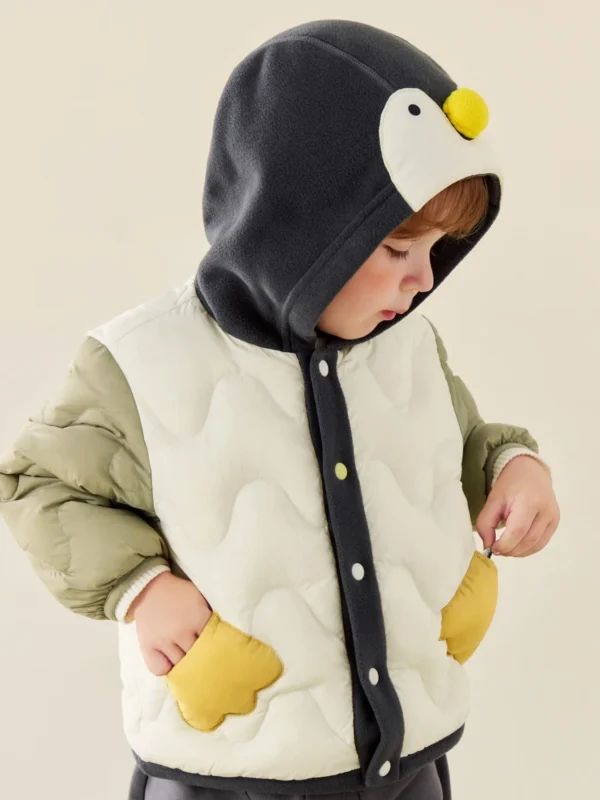
Lightweight Jackets
Great for transitional weather and milder winter days, lightweight jackets are easy to wear over everyday outfits.
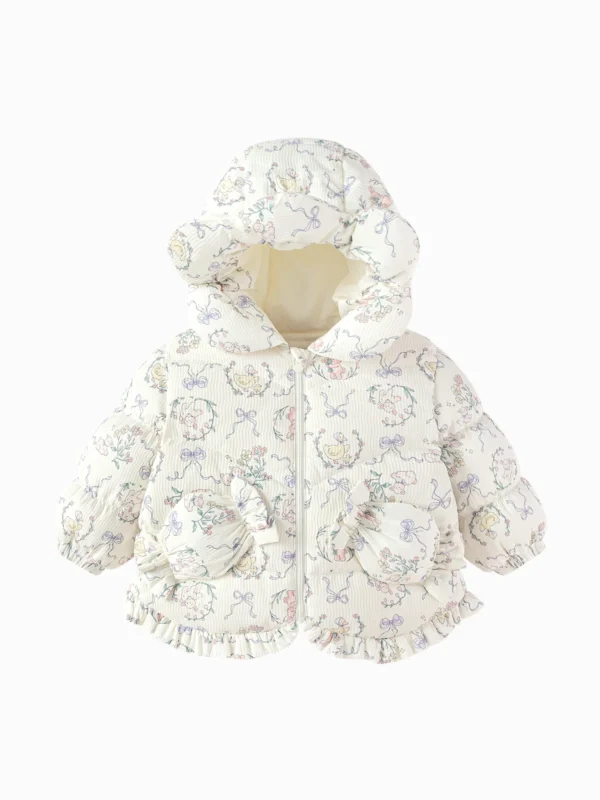
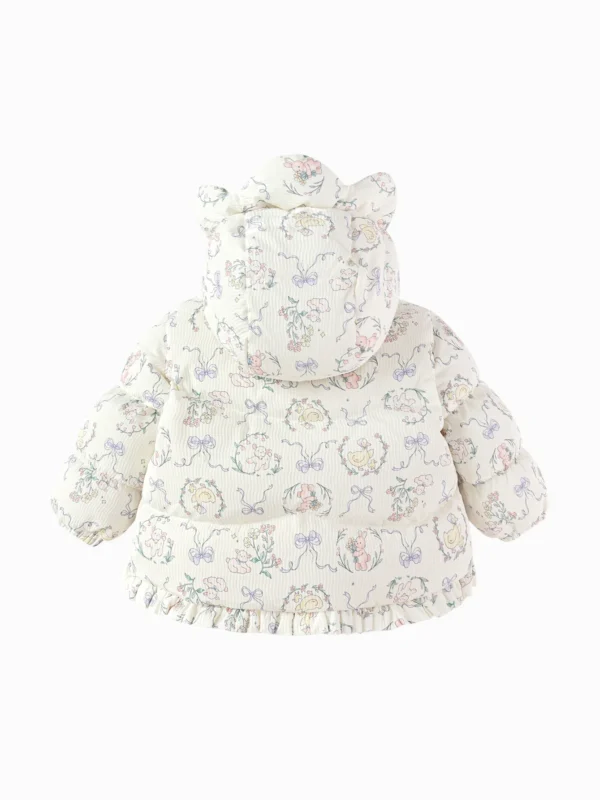
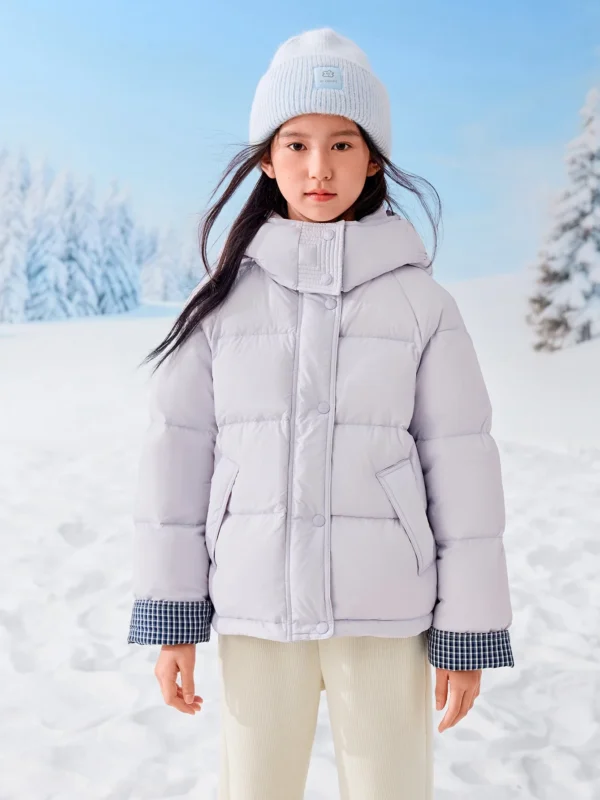
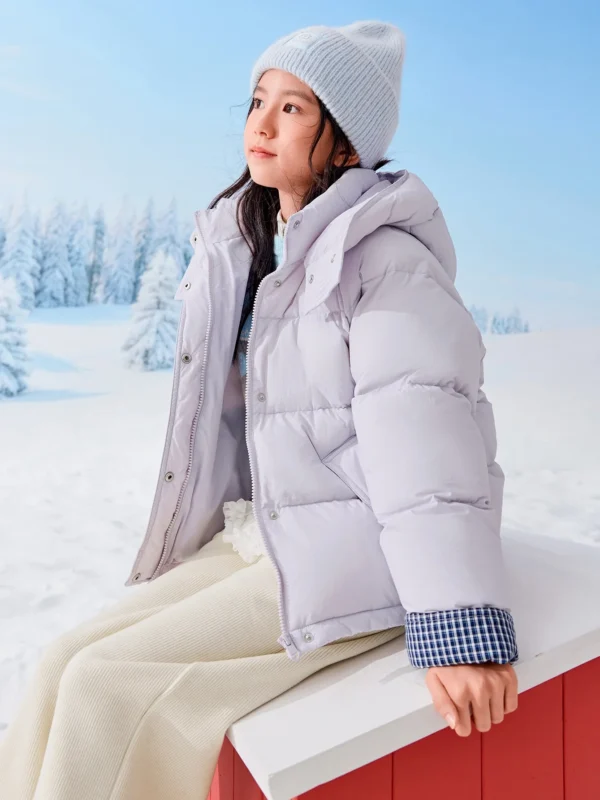
Insulated Coats & Down Jackets
When the weather gets colder, insulated outerwear can provide additional warmth. The right choice depends on temperature, wind, moisture, and time spent outdoors.
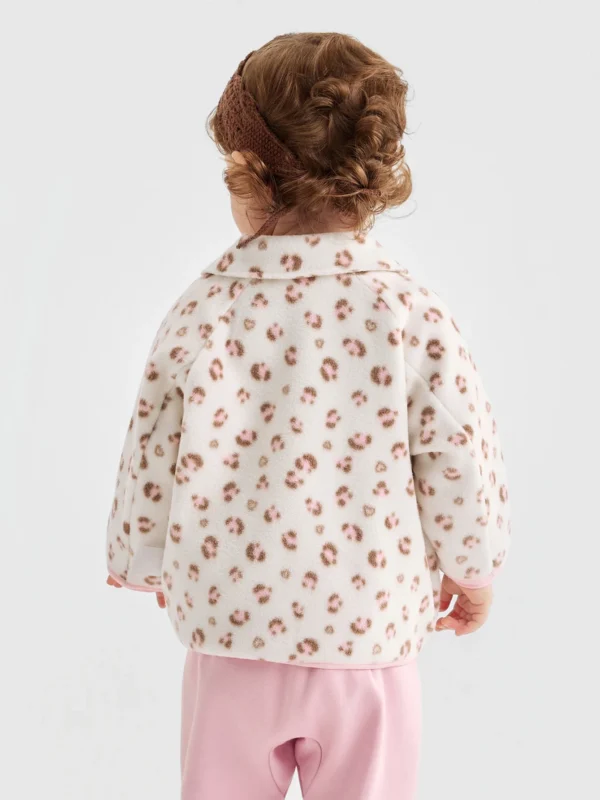
Sweaters & Fleece Layers
Sweaters and fleece pieces can be useful under a jacket or on their own when conditions are mild.
Vests
Vests are a versatile option for cool days when your child needs extra warmth around the torso but prefers more freedom of movement through the arms.
Before choosing an outer layer, consider whether your child will be walking, running, playing, or spending long periods outside.
Don't Forget Comfortable Pants
Winter outfits aren't just about coats and sweaters.
The right pants can make a difference in how comfortable kids feel throughout the day.
For everyday wear, consider pants that allow kids to sit, bend, climb, and move naturally.
Soft joggers or other comfortable everyday pants can work well for school, indoor activities, and milder weather.
For colder outdoor conditions, you may want to add a suitable base layer underneath. Snowy or wet activities may require specialized insulated or weather-protective pants.
A simple fit check: Can your child squat, sit down, and move around without the waistband digging in or the fabric pulling uncomfortably?
If so, you're off to a good start.
Make Getting Dressed Easy
Winter mornings can be busy, especially when everyone is trying to get out the door.
Clothing that's easy to put on and take off can make the routine smoother for both kids and parents.
When shopping, consider practical details such as:
- Zippers and closures your child can manage comfortably.
- Stretchy waistbands that allow easy movement.
- Sleeves that fit without covering the hands.
- Enough room for layering without an oversized fit.
- Fabrics and care instructions that work for your family's routine.
For younger children who are learning to dress independently, simple clothing choices can also help build confidence.
The goal isn't to create a complicated winter wardrobe. It's to find pieces that make everyday life a little easier.
Adjust Outfits for Indoor and Outdoor Activities
Kids rarely stay in one place for long.
They might start the morning in a warm car, head outside for recess, spend the afternoon indoors, and finish the day at the playground.
That's why flexibility matters.
On a typical chilly day, an outfit might include:
A comfortable long-sleeve top, everyday pants, a sweater, and a jacket suited to the weather.
A cozy top, flexible pants, and outerwear that's easy to remove when heading indoors.
Appropriate base layers, warm midlayers, weather-protective outerwear, and suitable footwear and accessories.
Pay attention to how your child feels during activity. Kids can get too warm as well as too cold, so adjust layers when needed.
Remember the Small Essentials
A warm jacket is only part of a winter outfit.
Depending on the conditions, your child may also need:
- A comfortable winter hat.
- Gloves or mittens.
- Socks suited to the weather and footwear.
- Shoes or boots appropriate for wet, icy, or snowy conditions.
For colder outdoor activities, make sure clothing covers exposed areas without interfering with comfortable movement or visibility.
Bulky winter coats should not be worn under a child's car seat harness. Follow current child passenger safety guidance and use safer ways to keep children warm while properly buckled.
Check the Fit Before the Coldest Days Arrive
Kids grow quickly, and last year's favorite jacket may not fit the same way this season.
Before winter weather arrives, take a few minutes to check the clothes already in your child's closet.
Make sure:
- Jackets close comfortably over appropriate layers.
- Sleeves and pant legs aren't excessively long.
- Shoes have a suitable fit.
- Your child can move freely while dressed.
- Clothing is appropriate for the weather conditions you expect.
Because children's sizing can vary between brands, always check the product's size chart and measurements when shopping online.
A little preparation now can make chilly mornings much easier later.
Keep Winter Dressing Simple
The best winter outfits are the ones that help kids feel comfortable, stay appropriately dressed for the weather, and enjoy their everyday activities.
Start with comfortable basics, add layers as temperatures change, and choose outerwear that fits your child's routine.
At Luvemori, we believe kids' clothing should fit naturally into real family life. That's why we thoughtfully select styles from different brands, with everyday comfort, practical details, and playful design in mind.
Whether you're refreshing a winter wardrobe or looking for a few versatile pieces, we're here to help you discover clothing for the moments that matter.
Find Their Next Winter Favorites
Note: Winter clothing needs vary by weather, activity, and individual child. Always consider local conditions and follow relevant safety guidance when dressing children for cold weather.